EGGS FROM RESCUED HENS
You might think that since a hen has been rescued from one situation or another, that it’s okay to take her eggs and eat them. Modern day hens that populate the intensive egg operation facility to the urban backyard have all been bred over centuries to lay a dangerously high quantity of eggs. Hens that used to live for 20 years in the wild, laying fewer than 20 eggs per year, are now living for only a couple of years, and they’re laying almost double the amount of eggs in two years than their wild ancestors laid in their entire lifetimes.
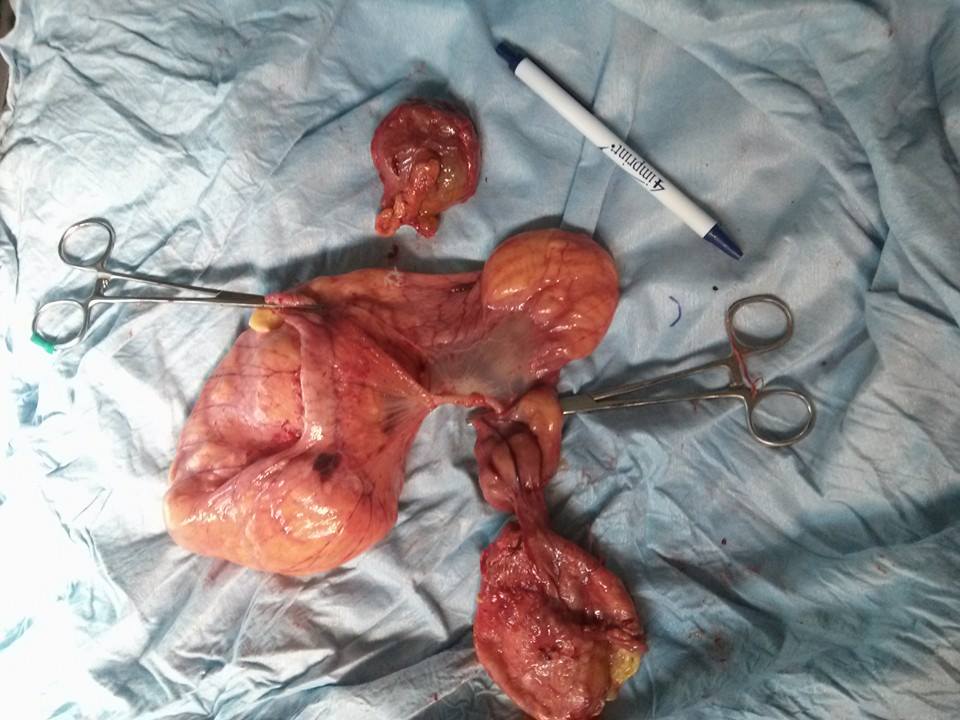
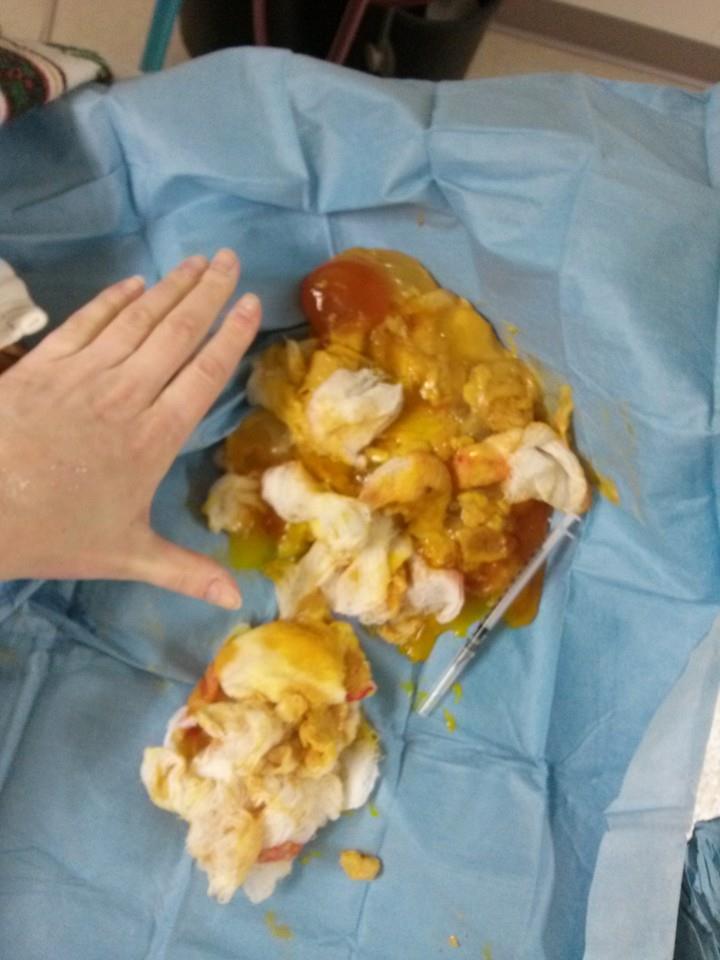
Who really needs those eggs? Who really needs those nutrients back? The hens do, and they know it. Laying such a high volume of eggs is not only exhausting for the hens, it also leads to calcium, protein, and amino acid deficiencies, due to the intensive nutritional resources spent on creating the eggs.
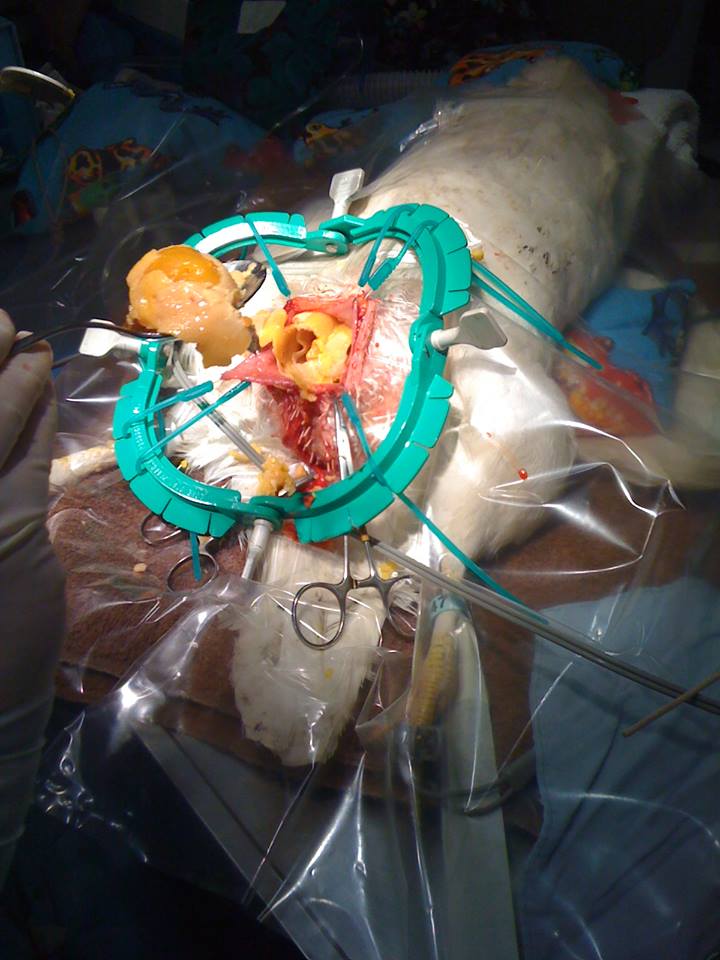
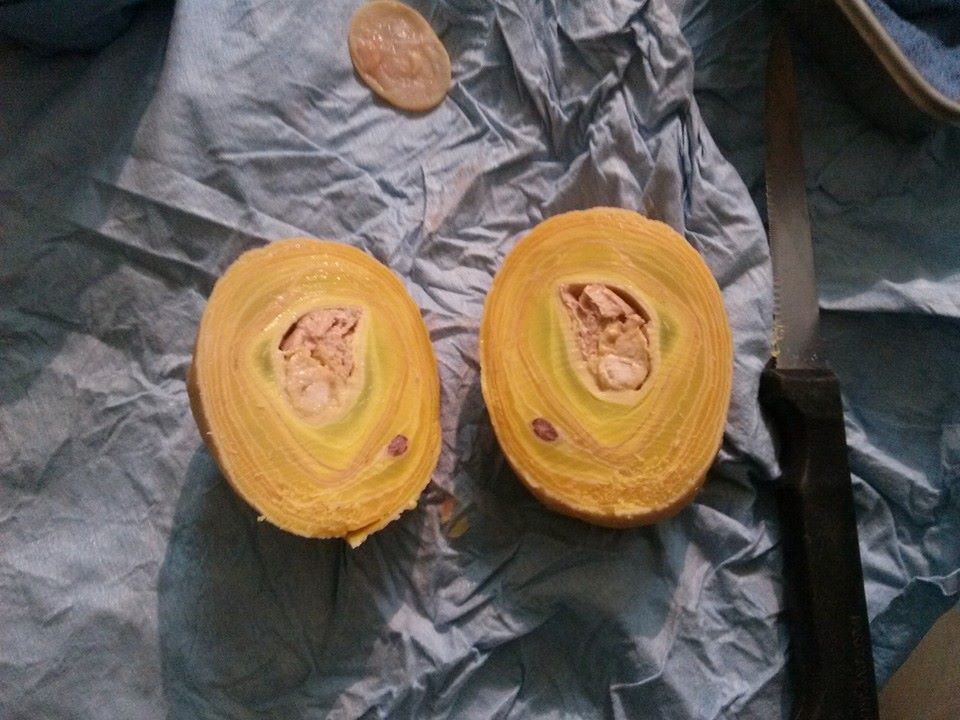
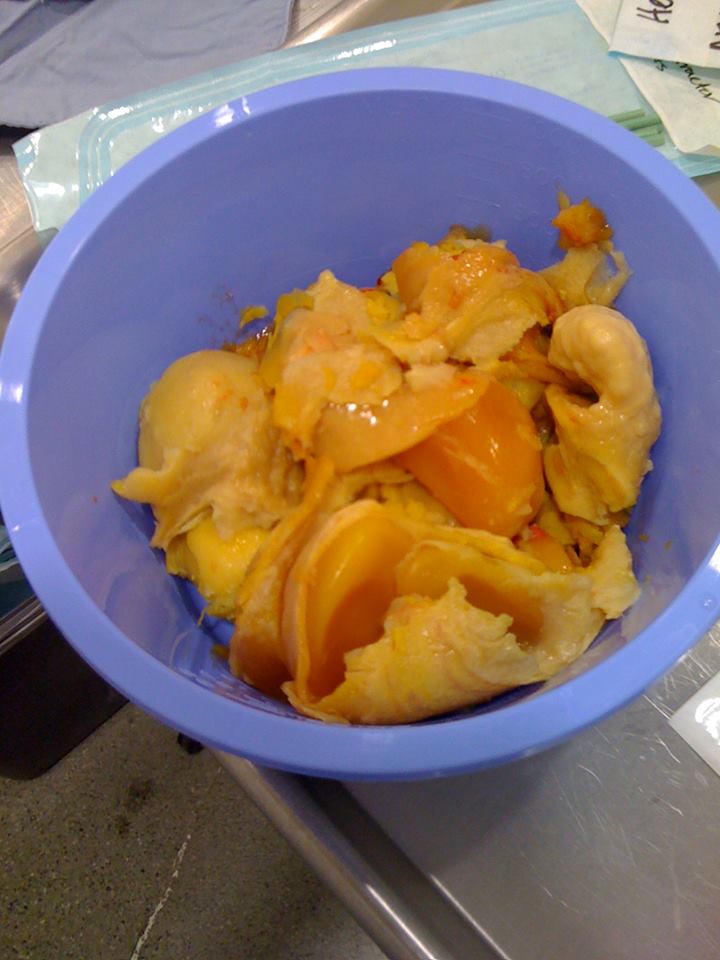
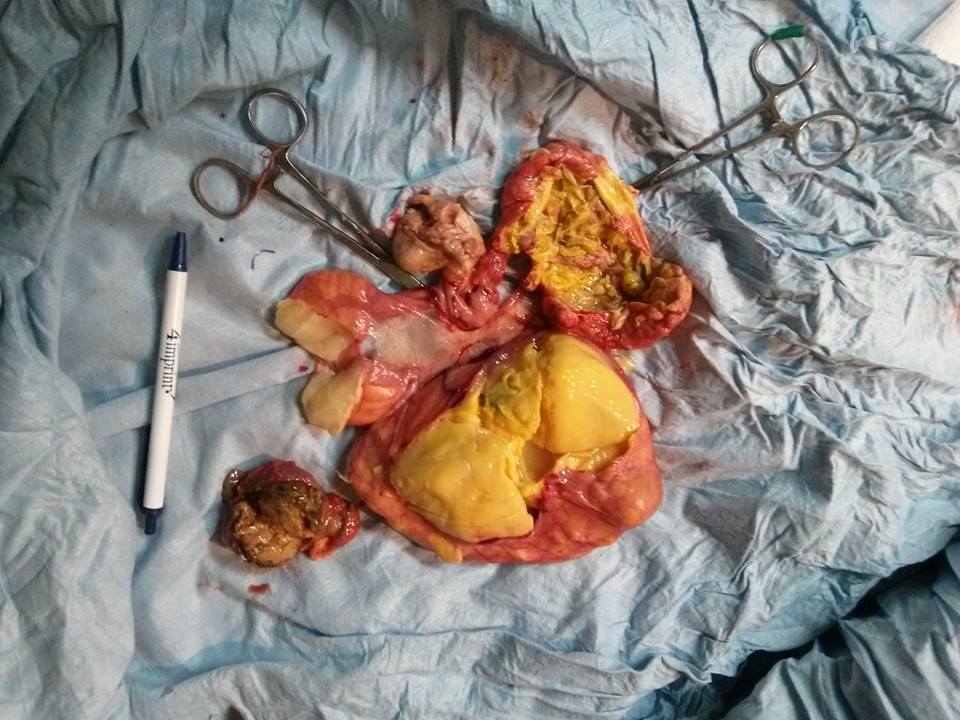
Here is what we do with their eggs.
There is nothing natural about taking more and more from beings that have been so far removed from their ancestors that they can no longer live normal lives. High egg output from hens and egg consumption by humans is not good for them, and it’s not good for us, either.
“It’s natural to eat eggs, right?” No, it is not, and here is why:
- There are currently 296 million laying hens in the United States;
- Approximately the same number of male chicks were hatched into the egg production system and killed immediately after hatching;
- This means nearly 600 million egg type birds will all die within their first two years of life within the egg production system;
- All chickens descend from wild jungle fowl, which lay up to 20 eggs per year in order to reproduce. This means our ancestors consumed eggs very rarely and it came at a great price to the survival of another species and our own at the time;
- Modern day hens lay around 250 eggs per year. This is 12.5 times more eggs than is natural for their bodies when compared to their wild ancestors;
- We would need 3.7 billion ancestral hens to produce the amount of eggs that 296 million genetically altered hens produce in order to meet the public demand.
We’ve created a monster with these standard practices in animal agriculture:
- Greed based selective breeding;
- Destroying unprofitable individuals such as male chicks and two-year-old hens;
- Confining genetically manipulated bodies to artificial environments in order to create affordable, unnecessary consumption of eggs;
- Mutilating the faces of chicks by slicing off their beaks in order to prevent their natural reactions to peck in a stressful environment.
- Lack of veterinary care for sick and injured birds, due to treatment being deemed not economically viable.
- All of the chicks hatched male will be killed at the hatchery.
- 90% of hens will develop painful reproductive illness, and most will go untreated.
- All the parent birds used for breeding suffer cruel de-beaking, confinement, and slaughter.
- Many of the hens who do not produce that highly unnatural amount of eggs will be slaughtered or dumped.